When a game bursts onto the scene with such a unique identity that it feels both instantly familiar and utterly groundbreaking, it demands attention. The Distinct Artistry of Pizza Tower isn't just a platformer; it's a masterclass in leveraging every element of game design—from its chaotic, hand-drawn visuals to its frantic, momentum-driven gameplay—to create an experience that transcends mere entertainment. It’s a game that doesn't just ask you to play; it invites you to become part of its frenetic, deliciously deranged world, pushing the boundaries of what a speed-focused platformer can be.
At a Glance: What Makes Pizza Tower an Artistic Marvel
- Genre-Bending Gameplay: A high-speed, momentum-based platformer inspired by Wario Land but carving its own unique, frantic path.
- "Pizza Time" Innovation: A brilliant reversal mechanic that transforms level re-traversal into an exhilarating escape sequence.
- Visually Striking: A deliberate, goofy, and devious 90s cartoon aesthetic with incredibly expressive, hand-drawn animations.
- Auditory Excellence: A diverse, level-specific soundtrack that perfectly complements the on-screen chaos and dynamically builds tension.
- Intricate Level Design: Each stage is a bespoke experience, designed for both initial exploration and subsequent speedrunning, packed with secrets and unique gimmicks.
- Deep Replayability: S-ranks, P-ranks, secret areas, bosses, and challenging objectives encourage endless revisits and mastery.
Beyond the Pixels: The Vision Behind Pizza Tower's Creation
In 2018, the indie studio Tour de Pizza embarked on a journey to create something special, a game centered around an Italian man, Peppino Spaghetti, frantically trying to save his restaurant from the villainous Pizzaface. The initial spark came from the beloved Wario Land series, known for its exploration and transformation mechanics rather than pure combat. Yet, Pizza Tower didn't simply mimic its inspiration; it used it as a launching pad to build something "so much more unique," released to critical acclaim in January 2023.
What truly sets Pizza Tower apart isn't just its homage to classic platformers, but its daring departure from their conventions. It takes the idea of character movement and level traversal and twists it into a whirlwind of controlled chaos. The developers understood that true artistry in games often lies not just in visual flair, but in the seamless integration of every design choice to serve a cohesive, exhilarating vision.
Mastering Momentum: A Dance of Speed and Flow
At the heart of Pizza Tower's distinct artistry lies its unparalleled emphasis on speed and momentum. Unlike many platformers that focus on precise, stop-and-go movements, Pizza Tower encourages you to embrace the blur. Peppino isn't just running; he's sliding, slamming, dashing, and transforming, each action chaining into the next with an almost balletic grace, if that ballet were performed by a man having a delightful nervous breakdown.
The game's controls are deceptively simple, yet offer a depth that rewards mastery. Every jump, dash, and dive contributes to Peppino's escalating velocity. Levels are crafted as intricate playgrounds designed for continuous flow, allowing skilled players to tackle them in "one big run," rarely breaking stride. This isn't just about reaching the end; it's about the joyous, kinetic journey itself, turning the act of movement into a core gameplay loop that feels incredibly satisfying. You're not just moving through a level; you're surfing its curves, defying its obstacles, and dancing with its rhythm.
The Clock is Ticking: The Genius of "Pizza Time"
Perhaps Pizza Tower's most celebrated innovation is the "Pizza Time" mechanic. After destroying the imposing "John Pillar" at the end of each level, a countdown begins. Your objective? Race back to the level's entrance before the clock hits zero, or face the relentless pursuit of Pizzaface. This brilliant twist transforms the familiar act of re-traversal from a mundane backtrack into a high-stakes, adrenaline-fueled sprint.
The genius of Pizza Time isn't just the countdown; it's how the levels themselves adapt. Blocks previously solid become transparent, and vice-versa, thanks to "John Blocks." This means the return journey isn't just the same path in reverse; it's a dynamically altered route, often revealing shortcuts or new challenges designed specifically for the frantic escape. It's a testament to the game's artistic design that going back through a level you've just conquered feels entirely fresh and exciting, a thrilling re-contextualization of familiar territory. This mechanic elevates the entire experience, injecting a sense of urgency and verticality that few other platformers achieve, making every run feel like a desperate dash against time and fate.
A Feast for the Eyes and Ears: Visual & Auditory Brilliance
Pizza Tower's artistry isn't confined to its mechanics; it radiates from every frame and every beat.
The Goofy, Devious World of 90s Cartoons
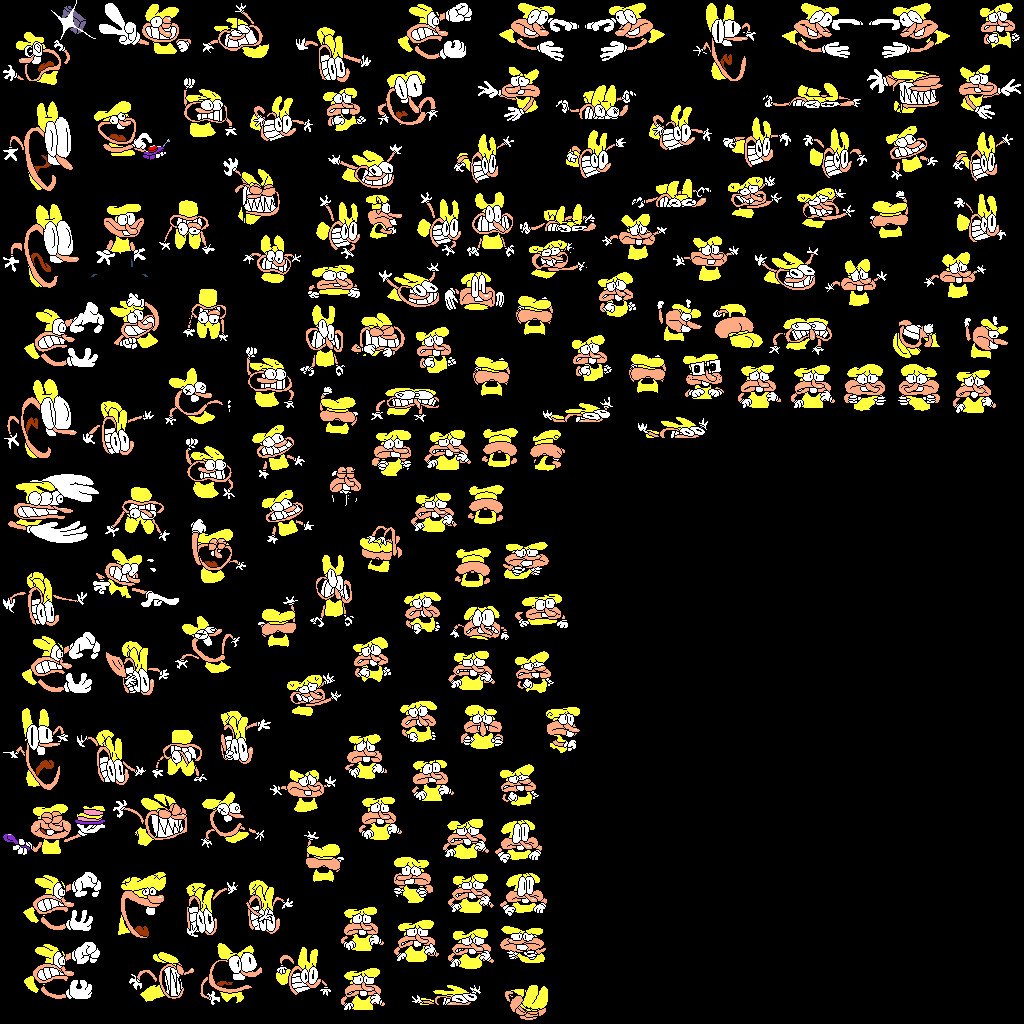
The game's visual style is an immediate standout. It embraces a "goofy, devious design that bears a striking resemblance to old 90s cartoons," yet it's far from a mere nostalgic homage. This aesthetic is deeply integrated into the gameplay experience. Peppino Spaghetti himself is a marvel of animation, boasting "wacky, extreme movements with personality in each sprite." His transformations—from the dizzying blur of a high-speed dash to the panicked flailing of a near-miss—are not only humorous but also convey crucial gameplay information. Every enemy, every background detail, every single pixel contributes to a cohesive, energetic, and slightly unhinged world that feels alive. It’s a masterclass in how expressive animation can elevate character and gameplay.
The Rhythmic Pulse of the Pizzaverse
Complementing the visual chaos is an absolutely stellar soundtrack. "Each level has 2-3 amazing songs made specifically for it," meticulously crafted to enhance the stage's theme and intensity. From the rootin'-tootin' energy of Fast Food Saloon to the cosmic vibes of Deep Dish 9, the music isn't just background noise; it's a dynamic character in itself.
The sound design further immerses players. The simple act of collecting items has a satisfying crunch, and Peppino's various grunts and shouts add character. A particularly noteworthy touch is the "eerie music" that begins playing as you approach John Pillar, a subtle auditory warning of the impending chaos of Pizza Time. This dynamic score ensures that players are not only visually engaged but also aurally guided and thrilled through every moment of the game, demonstrating a sophisticated understanding of how sound can drive narrative and tension.
Levels as Characters: Unique Worlds to Explore
In Pizza Tower, levels aren't just arenas; they're distinct entities, each with its own personality, challenges, and "gimmick or feature that makes it distinct." This commitment to variety ensures that "Pizza Tower never gets boring." The developers understood that repetitive environments quickly lead to player fatigue, and so they poured immense creativity into making every stage a fresh adventure.
Consider the wildly different experiences offered by levels like:
- Fast Food Saloon: A wild west romp filled with conveyor belts, dangerous frying pans, and plenty of opportunities for momentum-based shenanigans.
- Deep Dish 9: A sprawling, zero-gravity space station where environmental puzzles and alien encounters take center stage, often requiring creative use of Peppino's abilities.
- Don’t Make a Sound: A tense, stealth-focused level where visibility is low, and enemies react to sound, demanding a completely different approach to traversal.
This design philosophy means that rather than simply ramping up difficulty, each new level introduces a novel set of rules or environmental interactions, consistently challenging the player's adaptability. It’s this meticulous and diverse level design that truly showcases the game's artistic depth, offering a continuous stream of fresh, engaging experiences. This variety is key to the game's lasting appeal, constantly pushing players to rethink their strategies and embrace new forms of chaos.
The Secret Sauce: Replayability and Deep Engagement
A truly artistic game doesn't just offer a single, fleeting experience; it invites you back, revealing new layers with each revisit. Pizza Tower excels in this regard, packing its levels with so many secrets and challenges that players are encouraged to master every nook and cranny.
- Hidden Paths and Collectibles: Every level conceals "3 secret areas," often requiring clever use of Peppino's moveset or sharp-eyed exploration to uncover. These secrets aren't just tacked on; they're often integrated into the level's structure, offering alternate routes or valuable "Jerome treats."
- Ranks and Rewards: The pursuit of S-ranks and the ultimate P-rank (a perfect run without getting hit) adds significant replay value, transforming casual playthroughs into intense, high-skill challenges. These ranks aren't just arbitrary scores; they demand deep understanding of each level's flow, enemy placements, and optimal routes.
- Boss Battles: The game's bosses are unique, often absurd, and require distinct strategies, adding another layer of challenge and memorable encounters.
- Achievements and Endings: A plethora of achievements and "secret endings" provide further objectives, pushing players to experiment, explore, and overcome incredibly difficult trials.
This robust suite of replayability options ensures that Pizza Tower isn't a game you simply finish and put down. It's a game you return to, hone your skills in, and continuously discover new layers of mastery within. The inclusion of beloved quirky elements like "Mort the Chicken from the PS1 game" as a feature only adds to its distinct, charmingly offbeat personality.
Why Pizza Tower Resonates: A Nod to the Past, a Leap for the Future
Pizza Tower's distinct artistry resonates deeply because it taps into a universal love for classic arcade thrills while simultaneously pushing the envelope of modern indie game design. It’s a game that feels both nostalgic and utterly new, a testament to its developers' understanding of what makes games fun, challenging, and endlessly engaging.
It understands that true innovation often comes from perfecting existing formulas rather than reinventing the wheel entirely. By taking the foundation of speed-based platforming and injecting it with a unique visual identity, dynamic mechanics, and relentless creativity, Pizza Tower stands as a beacon for what indie development can achieve. It's a game designed with such meticulous attention to detail and a clear artistic vision that every element—from the frantic soundtrack to Peppino's exaggerated animations—works in harmony to deliver an unforgettable experience.
For those interested in how Pizza Tower's handcrafted approach contrasts with modern trends, exploring discussions around its visual style can be enlightening. It offers a counter-narrative to increasingly common design paradigms, showcasing the enduring power of distinct artistic vision. You might find it fascinating to consider Comparing Pizza Tower and AI Art, particularly in how the former champions intentional, human-driven design over algorithmic generation.
Looking Ahead: The Tower's Enduring Legacy
While currently most accessible on Steam, the promise that Pizza Tower "will soon be open to other consoles" means its unique brand of artistic chaos is set to reach an even wider audience. Its impact is already palpable within the gaming community, inspiring discussions about level design, animation, and the power of a cohesive artistic vision.
Pizza Tower isn't just a game that garnered popularity; it's set a new standard for how indie titles can innovate within established genres. Its success proves that genuine creativity, combined with a deep understanding of core gameplay loops and player psychology, can yield experiences that are not only fun but also deeply artistic.
The Final Slice: What Pizza Tower Teaches Us About Game Artistry
Pizza Tower stands as a powerful reminder that game artistry extends far beyond hyper-realistic graphics or sweeping narratives. It's found in the meticulous crafting of movement, the clever subversion of expectations, the joyous embrace of a distinct visual style, and the seamless integration of sound and gameplay. It teaches us that passion, unique vision, and a willingness to challenge conventions can elevate a game from a simple pastime to a truly distinct work of art.
So, if you're looking for a game that will challenge your reflexes, tickle your funny bone, and leave you breathless with its sheer creativity, dive into the frantic, delicious world of Pizza Tower. It’s an experience that truly elevates game design, one perfectly animated, speed-demon sprint at a time.